




RamzanKarya Persada

Software house and AI automation, Batam

We build your systems, then make them run themselves.

Web platforms, mobile apps and internal systems, delivered by one team with one lead. Then the repetitive work around them handed to AI agents that run on a trigger rather than on somebody remembering.

Trusted by government agencies, campuses and industry across Indonesia

BP BatamPoliteknik Negeri BatamPoliteknik Negeri PadangInfinite LearningWoodland HarmoniHanswayBrightSky

Ramzan Karya Persada in numbers

39
Projects delivered
10
Practice areas
15
Industries served
2021
Building since

What we do

Ten practices, one delivery team

Engage one of them or every one of them. Used together they run under a single plan with a single person accountable, which is the whole reason clients stop juggling vendors.

Our growth practice

AI System Automation

Work that runs without waiting for a person

Agent workflows, document intelligence and process automation wired into the systems you already run, with a human approval step wherever it matters.

  • Repetitive work that no longer needs a person to start it
  • A traceable record of every automated decision
  • Automation attached to your existing systems rather than a separate island
Explore this practice

Web Development

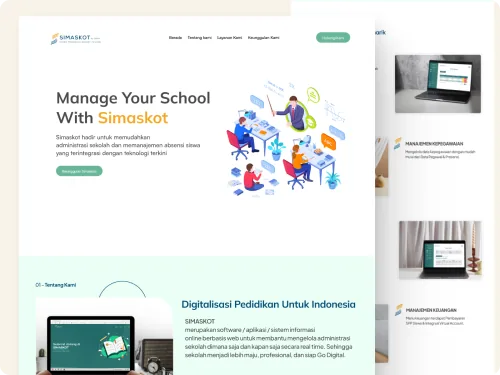
Company sites, online stores and custom web applications, built from scratch or on WordPress depending on who has to maintain them.

Mobile App Development

Android and iOS applications built from a single codebase, taken through to publication on Google Play and the App Store.

Custom Software and Systems

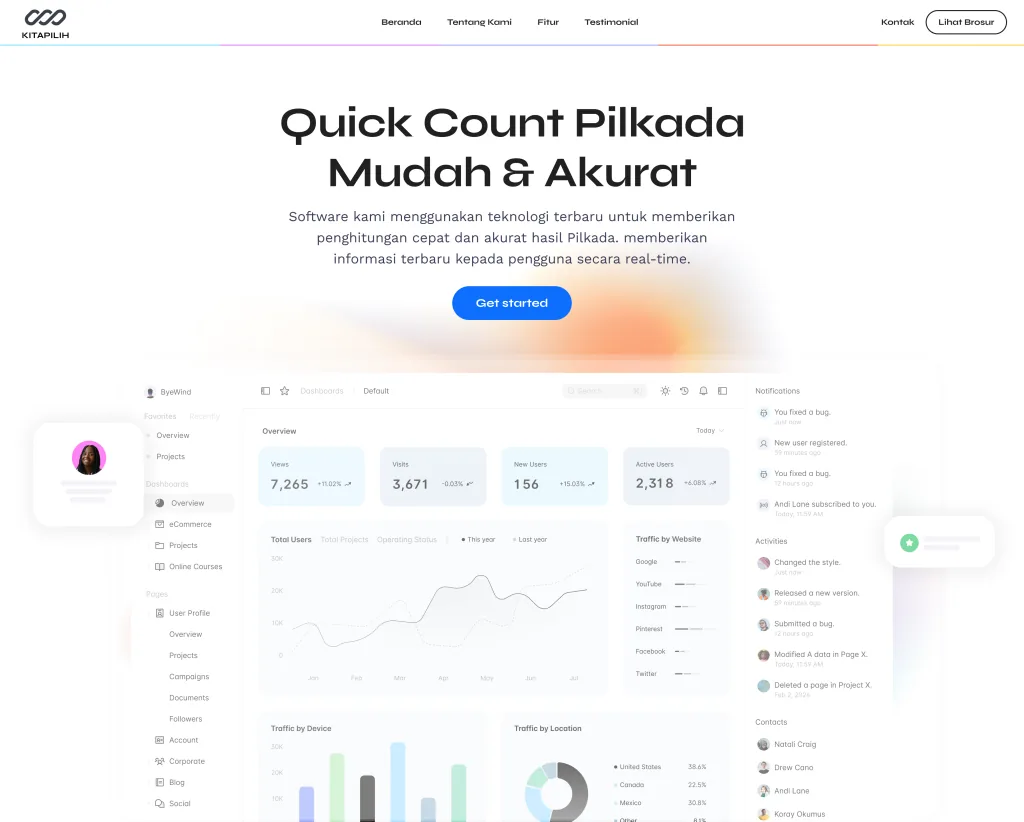
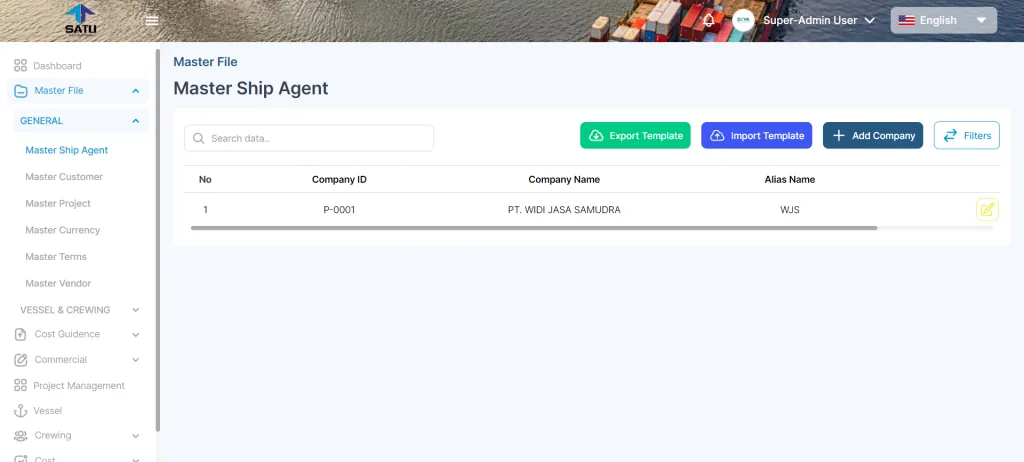
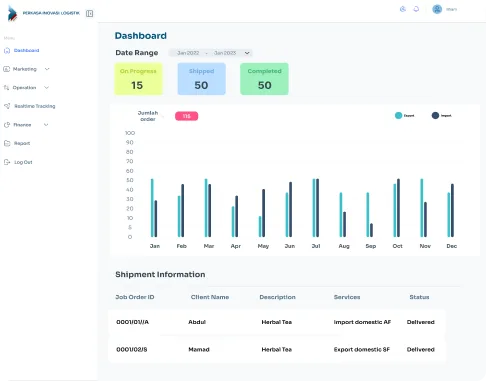
SaaS dashboards, internal management systems and integrations that replace a pile of spreadsheets with one source of data.

Product Design

User research, prototyping and interface design, so what gets built is the thing that was actually needed.

IT Infrastructure

Server setup, networking, security hardening, tested backups and ongoing monitoring for systems already in production.

Media Marketing

Paid media, search and marketplace advertising, measured on cost per result rather than on impressions.

Creative Marketing

Video production, animation, brand identity and campaign assets, planned so a single shoot supplies every format you need.

Community and Consultant

Community programmes, influencer collaboration, market research and events, built around participation rather than reach.

Marketing Technology

CRM, email and messaging automation, conversion tracking and analytics, so a lead is captured and followed up without anybody remembering to.

AI system automation

One chatbot answers questions. Several agents finish the job.

A chatbot waits to be asked. An orchestrated flow runs on a trigger, works through a sequence of steps and hands over a finished result. The first cuts response time. The second cuts how much work a person has to touch at all.

  1. Step 1

    A trigger arrives

    An email lands, a form is submitted, a file appears in a folder. Nothing waits for a person to notice it.

  2. Step 2

    Agents do the work

    One reads the document, one pulls the matching record from your system, one drafts the output. Each hands to the next.

  3. Step 3

    A human approves

    Anything touching money, contracts or customer data stops here and waits for a person. That gate is not optional.

  4. Step 4

    The result is delivered

    Into your system, your inbox or your messaging app, with a full record of every step that led to it.

Every flow ships with a cost ceiling and a stop condition, so model usage cannot run away quietly and turn up as a surprise on a bill.

How it works

Selected work

Systems that went into production and stayed there

Each of these covers what the situation was beforehand, what was built, and what was handed over. No result percentages, because we publish numbers only where a measurement record exists to back them.

How we work

From first conversation to a system somebody maintains

  1. 1

    Discover

    We start by watching how the work actually happens today, not how the org chart says it happens. Most of what makes a system fail is visible in that gap.

  2. 2

    Scope

    You receive a written breakdown, a cost estimate and a schedule within two working days. Everything agreed up front, so no invoice appears halfway through that you did not expect.

  3. 3

    Build

    Work ships in stages you can see and use. One lead runs the whole delivery from design through deployment, so you never reconcile updates from three different people.

  4. 4

    Operate

    After launch the system is monitored, patched and backed up. Further development follows how the thing is actually used, not how we guessed it would be.

What you get from us

Three commitments, written into the contract

Not values on a wall. Each of these is a clause you can hold us to, which is the only version of a promise that is worth anything.

  1. You own everything

    Source code, database and server access are registered in your company name from day one. Technical documentation is part of the scope, not a paid extra. If you ever move to another vendor, they can continue the work without asking our permission.

  2. Priced before we start

    Scope, schedule and cost are written openly before the first line of code. When something genuinely falls outside that scope we tell you before doing it, not after.

  3. Maintained after launch

    Launch day is the beginning. Monitoring, security patching and tested backups keep running once the project closes, because a system nobody watches is a system waiting to fail quietly.

Tell us what you need built

Send a short brief and you get a written scope, a cost estimate and a schedule within two working days. No obligation attached to it.