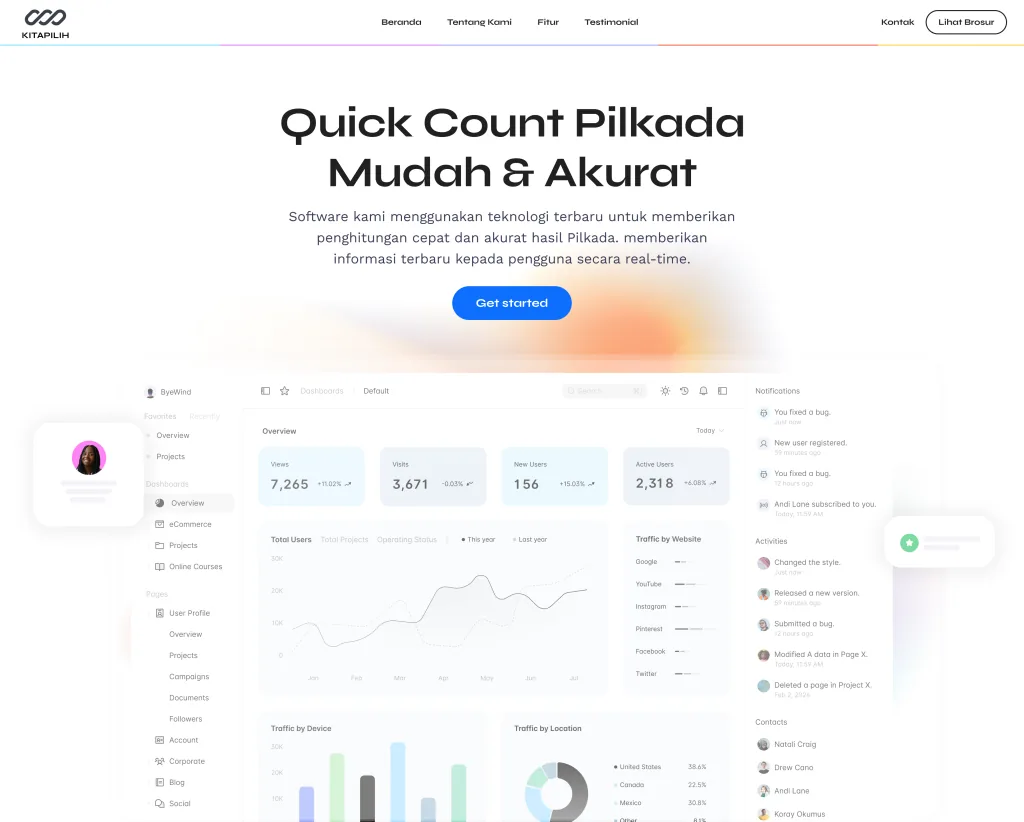
Custom Software and SystemsGovernment and Public Service
Live regional election tallying under a few hours of extreme load
Quickcount · 2024
The part nobody notices until it stops
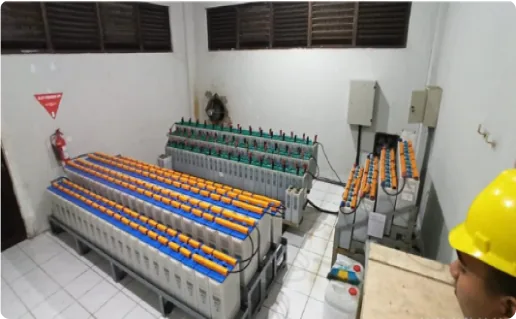
Infrastructure never gets praised when it works and always gets blamed when it stops. Most companies only think about it after an incident: a disk filling up during peak hours, files locked by ransomware, or backups that quietly stopped running two months ago with nobody noticing.
We treat it as scheduled routine work rather than emergency response, with monitoring that tells you before your customers do.
Delivered work
If yours is not here, send it across directly. We reply within one working day.
Cloud is almost always cheaper and more resilient for a company without permanent technical staff. On premise only makes sense when you are obliged to keep data in a specific location, or when production machinery has to connect directly without going through the internet.
Quarterly at minimum, and what gets tested has to be the restore, not the presence of the files. A backup nobody has ever restored is the same as no backup, because its failure only surfaces at the exact moment you need it.
Automated monitoring runs continuously and alerts at any hour. Human response time follows whatever service level we agree, and that gets written into the contract so expectations do not diverge during an actual emergency.
Send a short brief and you get a written scope, a cost estimate and a schedule within two working days. No obligation attached to it.